


































Jonathan Charges Political Parties, Judiciary to Protect Africa’s Democracy
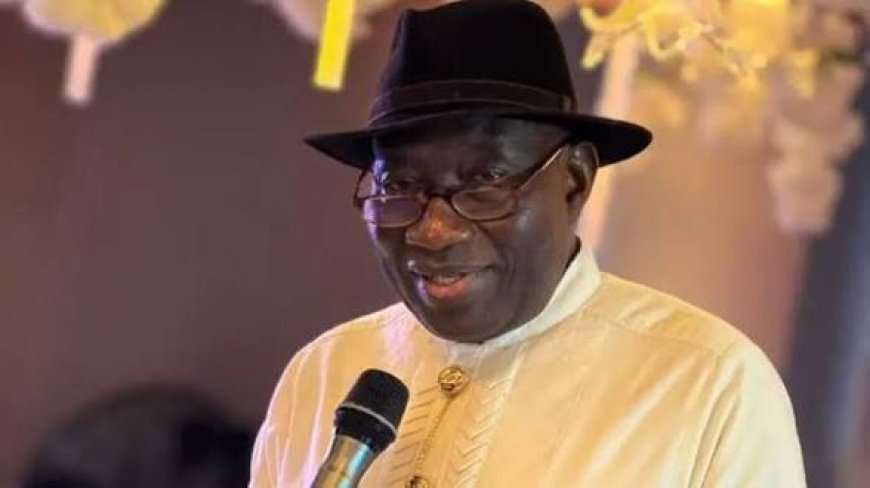
Former President and chairman of the Goodluck Jonathan Foundation, GJF Dr Goodluck Jonathan has charged both political parties and the Judiciary across Africa to strengthen democratic institutions and protect the will of the people, warning that democracy could become a mere façade if its foundational principles are weakened.
By Ikechukwu Eze
Former President and chairman of the Goodluck Jonathan Foundation, GJF Dr
Goodluck Jonathan has charged both political parties and the Judiciary across Africa to strengthen democratic institutions and protect the will of the people, warning that democracy could become a mere façade if its foundational principles are weakened.
Jonathan gave the charge Tuesday at the closing of the 2026 GJF Democracy Dialogue in Bauchi, with the theme, “Beyond Elections: Can Political Parties and the Judiciary Save Africa’s Democracy?
He said political parties must become genuine democratic institutions
by embracing internal democracy, producing credible leaders, respecting their own rules and putting national interest above partisan interests.
“Strong democracies cannot emerge from weak political parties,” Jonathan said, calling for stronger frameworks across Africa to regulate political parties and enhance democratic integrity.
He cited Kenya’s model of having a dedicated institution to regulate
political activities alongside the electoral management body, saying other African countries could adopt similar arrangements to strengthen political accountability.
The former president also placed a heavy responsibility on the Judiciary, saying it carried “an equally or more profound responsibility” in protecting democracy.
He urged judicial officers handling political cases to be guided by
the principles represented by Lady Justice; impartiality, fairness and
the rule of law.
Jonathan expressed concern that in some African countries, electoral
contests were increasingly being settled in courtrooms rather than at
the ballot box.
While acknowledging the judiciary’s constitutional responsibility to
resolve electoral disputes, he said democracy was healthiest when the
freely expressed will of the people was clear, respected and accepted
by all.
“The courtroom should not become the arena where political mandates
are routinely determined,” he warned.
Jonathan said a functional democracy must rest on eight cardinal
pillars: sovereignty of the people, rule of law, separation of powers,
protection of fundamental rights and freedoms, accountability and
transparency, free and credible elections, political pluralism, and an
active civil society.
He cautioned that although no country could score perfectly on all the
pillars, substantial compliance with most of them was necessary for
democracy to remain stable and sustainable.
“When several of these foundations of democracy are weakened, what
emerges is not genuine democracy but a pseudo-democracy; one that
retains democratic forms while steadily losing democratic substance,” he said.
Jonathan urged African leaders to consciously build their political
parties, legislatures, executives and judiciaries around these democratic principles.
“History will judge our democracies not by the number of elections we conduct, but by the strength of the institutions we build and the fidelity with which we uphold these democratic pillars,” he said.
He called on African countries to move away from the cycle of political instability and electoral crises and build strong institutions capable of promoting peace, development and shared
prosperity.
Jonathan thanked the Bauchi State Government and Governor Bala
Mohammed for supporting the dialogue, as well as former President Olusegun Obasanjo, and other participants for attending the event.
Jonathan gave the charge Tuesday at the closing of the 2026 GJF Democracy Dialogue in Bauchi, with the theme, “Beyond Elections: Can Political Parties and the Judiciary Save Africa’s Democracy?
He said political parties must become genuine democratic institutions
by embracing internal democracy, producing credible leaders, respecting their own rules and putting national interest above partisan interests.
“Strong democracies cannot emerge from weak political parties,” Jonathan said, calling for stronger frameworks across Africa to regulate political parties and enhance democratic integrity.
He cited Kenya’s model of having a dedicated institution to regulate
political activities alongside the electoral management body, saying other African countries could adopt similar arrangements to strengthen political accountability.
The former president also placed a heavy responsibility on the Judiciary, saying it carried “an equally or more profound responsibility” in protecting democracy.
He urged judicial officers handling political cases to be guided by
the principles represented by Lady Justice; impartiality, fairness and
the rule of law.
Jonathan expressed concern that in some African countries, electoral
contests were increasingly being settled in courtrooms rather than at
the ballot box.
While acknowledging the judiciary’s constitutional responsibility to
resolve electoral disputes, he said democracy was healthiest when the
freely expressed will of the people was clear, respected and accepted
by all.
“The courtroom should not become the arena where political mandates
are routinely determined,” he warned.
Jonathan said a functional democracy must rest on eight cardinal
pillars: sovereignty of the people, rule of law, separation of powers,
protection of fundamental rights and freedoms, accountability and
transparency, free and credible elections, political pluralism, and an
active civil society.
He cautioned that although no country could score perfectly on all the
pillars, substantial compliance with most of them was necessary for
democracy to remain stable and sustainable.
“When several of these foundations of democracy are weakened, what
emerges is not genuine democracy but a pseudo-democracy; one that
retains democratic forms while steadily losing democratic substance,” he said.
Jonathan urged African leaders to consciously build their political
parties, legislatures, executives and judiciaries around these democratic principles.
“History will judge our democracies not by the number of elections we conduct, but by the strength of the institutions we build and the fidelity with which we uphold these democratic pillars,” he said.
He called on African countries to move away from the cycle of political instability and electoral crises and build strong institutions capable of promoting peace, development and shared
prosperity.
Jonathan thanked the Bauchi State Government and Governor Bala
Mohammed for supporting the dialogue, as well as former President Olusegun Obasanjo, and other participants for attending the event.
What's Your Reaction?