



















How 48 Terrorism Financiers Regained Freedom Without Facing Trial, By General Danjuma Ali- Keffi
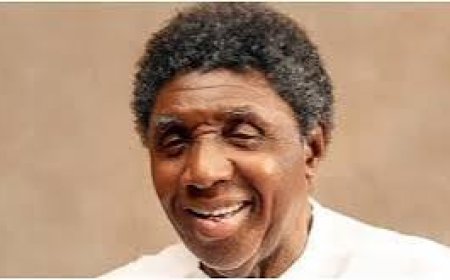
A retired General in the Nigerian Army, Danjuma Hamisu Ali-Keffi, has called for thorough investigation into the controversial release of 48 suspected terrorism financiers following a high-profile covert operation he once led.
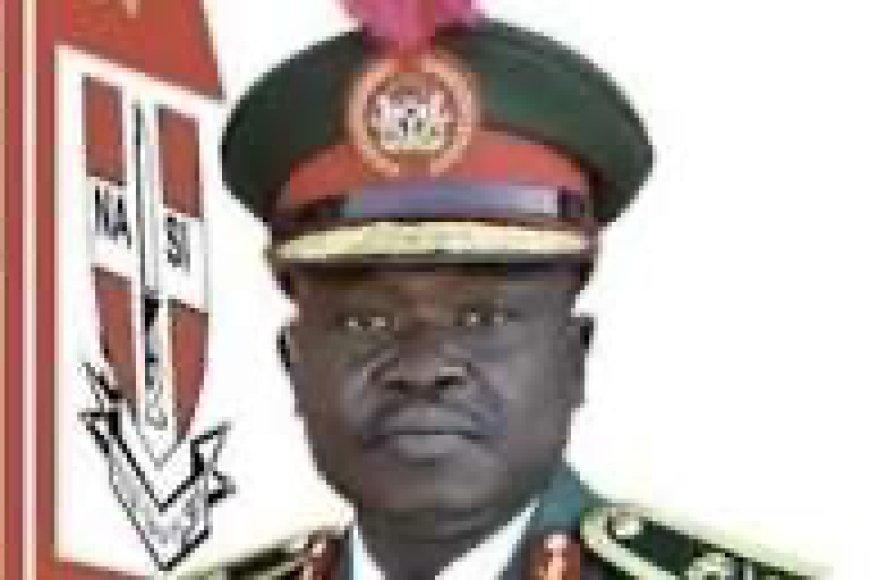
.... Hints that the death in a plane crash of former Chief of Army Staff, General Ibrahim Attahiru was to the release of the 48 suspects
A retired General in the Nigerian Army, Danjuma Hamisu Ali-Keffi, has called for thorough investigation into the controversial release of 48 suspected terrorism financiers following a high-profile covert operation he once led.
Ali-Keffi, rtd, headed the presidentially approved Operation Service Wide, OSW, — a multi-agency task force established in October 2020 under former President Muhammadu Buhari.
Ali- Keffi hinted that the death in the plane- cash of the former Chief of Army Staff, General Ibrahim Attahiru in May 2021 — just days before he was to prevent him from acting on the findings of his team.
He spoke in a recent interview with reporters, noting that the releases were implemented under deeply suspicious circumstances shortly after he was forced out of the military, late 2021.
According to Ali- Keffi, the OSW was tasked with tracing and disrupting the financial networks sustaining terrorist groups like Boko Haram, even as the operation secured substantial evidence — including intelligence shared by Western agencies and the United Arab Emirates — against the 48 suspects held in Nigerian Army custody.
He further said that credible and material evidence against the 48 suspects allegedly demonstrated their roles in laundering funds through bureaux de change, diverting counter-terrorism allocations, and channeling money directly to insurgents.
Among the most prominent names highlighted by Ali- Keffi included Hima Abubakar, described as an arms dealer with a frozen $600 million account traced by Nigeria’s Financial Intelligence Unit, NFIU, to an offshore location, and Alhaji Saidu Ahmed (also known as Saidu Gold), whom Ali-Keffi identified as a key Boko Haram recruitment official.
UAE intelligence documents reportedly linked Saidu Gold to individuals convicted in Dubai for establishing a Boko Haram cell and transferring hundreds of thousands of dollars to the group.
Ali-Keffi further emphasized that one detainee was even identified by Middle Eastern and Western intelligence services as a principal leader within Boko Haram, pointing out that, despite the huge and circumstantial evidence, he said, none of the suspects faced prosecution.
He regretted, however, that instead, of those implicated being prosecuted due to the massive evidence against them, the suspects were quietly released after high-level interventions, suggesting protection by powerful figures.
He then asked: Who authorized the releases? Why were no trials pursued despite overwhelming proof?
He further queried why the Nigerian government reportedly requested the United States to unfreeze Hima Abubakar’s assets — even though a prior arms procurement probe (the Committee on Defence and Arms Procurement) had found him liable for massive debts to the state — and why individuals like Saidu Gold walked free despite foreign convictions tying them to terrorist recruitment.
Ali-Keffi linked these events to broader patterns of alleged corruption, including the diversion of funds meant for counter-terrorism efforts, referencing a forensic audit of military procurement and counter-insurgency finances initiated by him, and warning that full public disclosure of OSW’s investigations would trigger major repercussions, potentially implicating senior military officers, government officials, and even members of the National Assembly.
In demanding accountability, Ali-Keffi urged Nigerian authorities to identify everyone involved in ordering or facilitating the release of the 48: suspects as well as explain their apparent shielding from prosecution, pointing out that failure to prosecute them had allowed terrorism financing networks to persist, thus undermining national security and prolonging the insurgency that has plagued northern Nigeria for over 15 years.
Meanwhile, the revelations have reignited public debate over corruption within security and political circles, with some observers noting parallels to recent developments, including the Department of State Services’ actions against former officials on related financial misconduct allegations.
Ali-Keffi’s earlier statements have already prompted defamation lawsuits from figures like former Chief of Army Staff Tukur Buratai, who denied any involvement in terrorism financing or suspect protection and sought substantial damages in court, even as
calls mount for an independent probe.
What's Your Reaction?