



































FG Rules Out Return to Fuel Subsidy and Multiple Exchange Rates
The Federal Government has ruled out a return to fuel subsidy and multiple foreign exchange rates, insisting that it will not reverse the economic reforms introduced under President Bola Tinubu’s administration.
The Federal Government has ruled out a return to fuel subsidy and multiple foreign exchange rates, insisting that it will not reverse the economic reforms introduced under President Bola Tinubu’s administration.
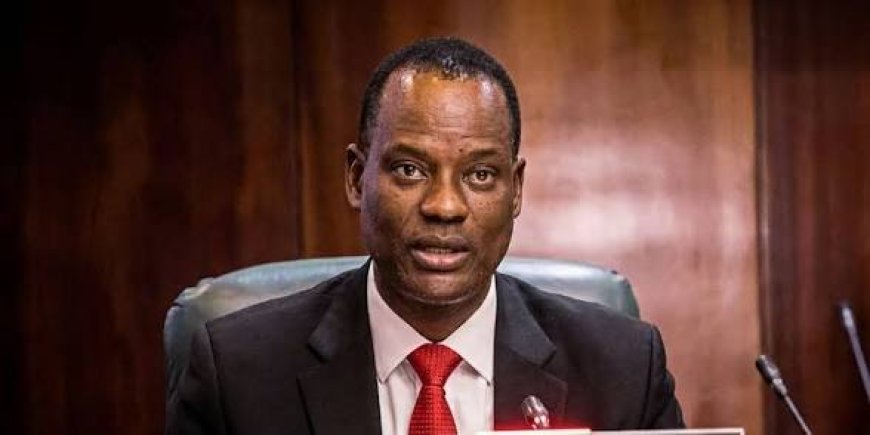
Minister of Finance and Coordinating Minister of the Economy, Taiwo Oyedele, spoke on Saturday while responding to concerns about the government’s economic policies ahead of the 2027 general elections on the sidelines of the World Bank and International Monetary Fund, IMF, meetings in Bangkok, Thailand.
Oyedele said the Federal Government remained committed to its decision to remove fuel subsidies and liberalise the foreign exchange market, adding that the
possibility of reversing the policies had repeatedly come up during engagements with international rating agencies, investors and multilateral institutions.
According to the Minister, the government had no plans to reintroduce fuel subsidies or return to a system of multiple exchange rates.
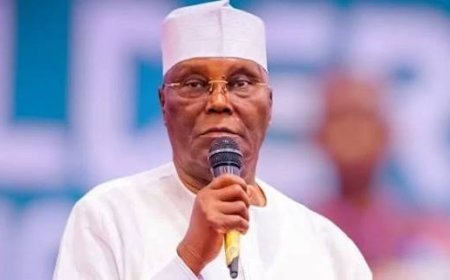
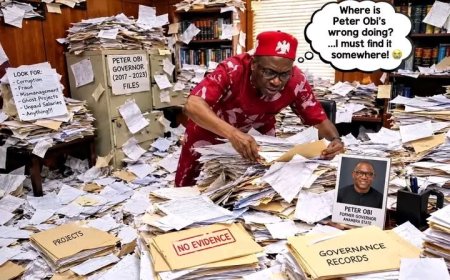
Former Vice-President and presidential candidate of the African Democratic Congress, ADC, Atiku Abubakar and his counterpart in the Nigeria Democratic Congress, NDC, Peter Obi, have criticised aspects of the government’s economic policies and advocated changes to ease the high cost-of-living crisis.
Obi has similarly argued that the reforms were implemented without adequate production-driven measures to protect citizens from their economic consequences.
However, the Tinubu administration has consistently defended the removal of fuel subsidies and the liberalisation of the foreign exchange market, describing the policies as necessary to address longstanding structural problems in the economy.
The government has maintained that the former subsidy system placed an unsustainable burden on public finances, while the previous foreign exchange arrangements encouraged currency arbitrage, corruption and the depletion of the country’s foreign reserves.
What's Your Reaction?