









Removal Of Fuel Subsidy: President Tinubu Most Patriotic Nigerian Leader Since Independence ---- Rep Dennis Agbo
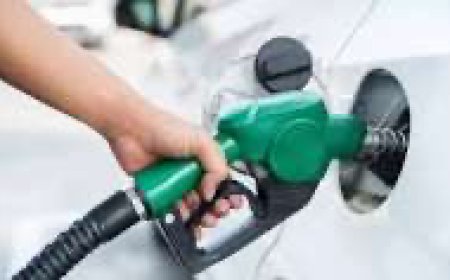
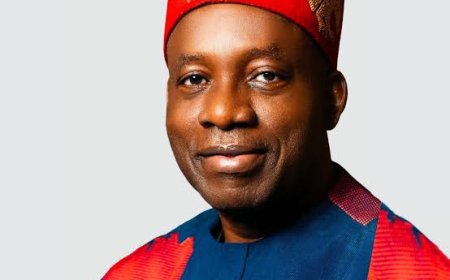
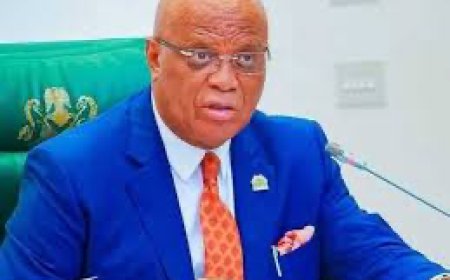
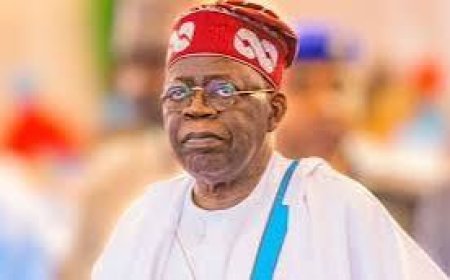
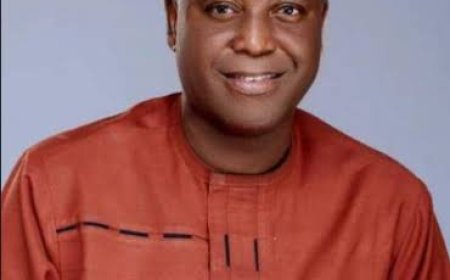
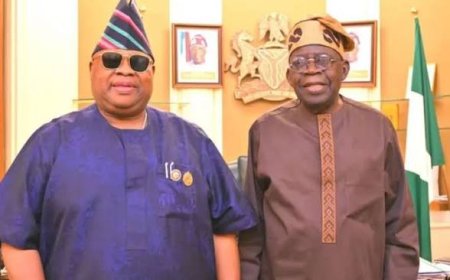
A member of the House of Representatives, Rt Hon Dennis Nnamdi Agbo, has praised President Bola Tinubu for removing subsidy on petroleum products soon after his inauguration on May 29, 2023, saying it was the "most patriotic act of a president since our independence" on October 1, 1960.
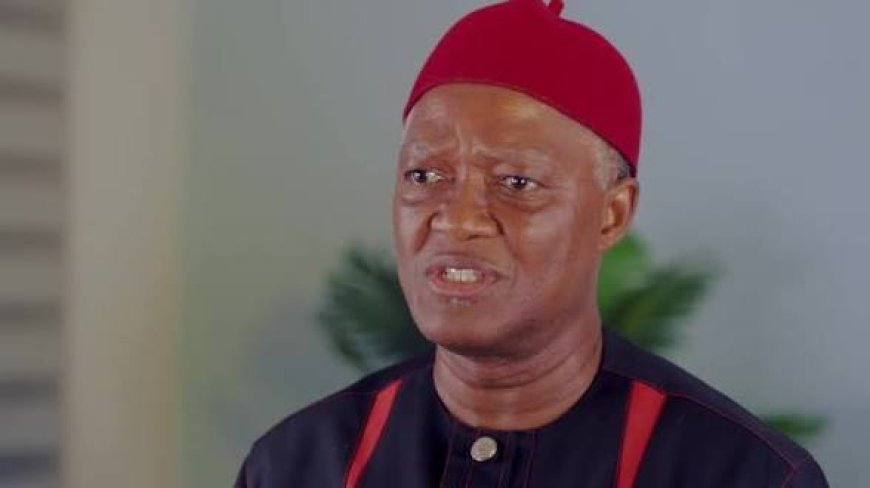
A member of the House of Representatives, Rt Hon Dennis Nnamdi Agbo, has praised President Bola Tinubu for removing subsidy on petroleum products soon after his inauguration on May 29, 2023, saying it was the "most patriotic act of a president since our independence" on October 1, 1960.
He said the nation was technically bankrupt by the time President Tinubu assumed power, noting that drastic action was needed to remedy the situation, hence the removal of fuel subsidy, as as foreign investors were no longer able to repatriate profits due to low level of reserves among other economic impediments.
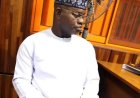
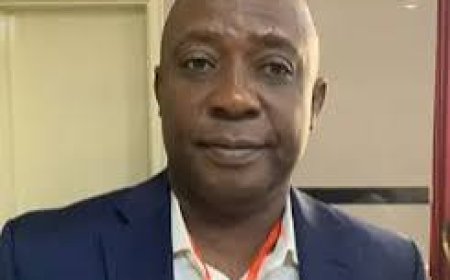
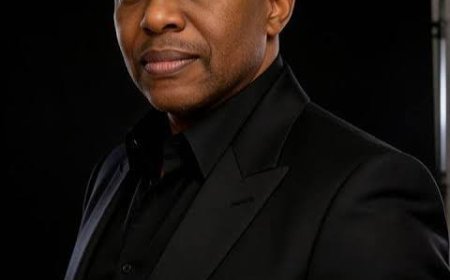
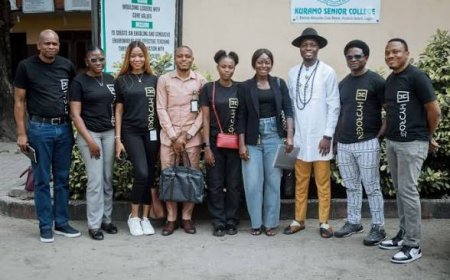
Agbo, a former consultant with the World Bank and the UNDP, who represents Igbo Eze North and Udenu federal Constituency at the National Assembly spoke while presenting his 31- page "Distinguished 2026 Public Lecture Series of the Department of Public Administration and Local Government, University of Nigeria, Nsukka, UNN, at the Princess Alexandria Auditorium, on Wednesday, with the theme, "Three years of Post- Subsidy Removal: Evaluating The Socio- Economic Effects Of Nigeria's Deregulated Downstream Sector."
He said that although the action was far from populist or political correctness, it was an act borne out of generative orientation and political zeal.
His words, "Truth be told, if we appreciate the true workings of our national politics, it will be understood that the removal of fuel subsidy is the most patriotic act of a President since our independence.
"It has always been desirable and inevitable, yet successive presidents have avoided it because of a clear lack of political will. It is clearly an act borne out of generative orientation and patriotic zeal.
"Many, almost all the Presidential candidates in the 2023 election, campaigned with a promise to remove fuel subsidy. It was clearly inevitable considering the parlous condition of our nation then. The president has remained resolute, choosing rather to absorb the heat, steady the course of our national progress and sail the ship of our nation State out of the stormy weather.
"For too long, we have yearned for Nigerian and African economic renaissance but we failed to take the bold steps that unleash the benefits of our vast economic potentials, for Nigerians, for Africans. The removal of fuel subsidy in Nigeria is one such bold step, and it is already redefining the outlook for our continent's economy.
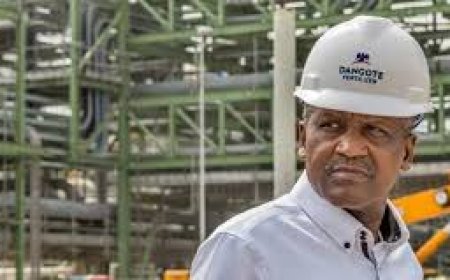
"The huge $16 billion Dangote Investment in a 700,000 bpd East African Petroleum Refinery, in Republic of Kenya follows after the successful completion of the 1. 7 million bpd refinery in Nigeria and rides on the heals of a larger continental economic renaissance. This is the way to go."
Among other gains and benefits of removal of fuel subsidy, he said, included enhanced revenue for government, clearing of recurrent debts of states, construction of major projects by states, growth in GDP, economic expansion, accretion to foreign reserves as well as stability of exchange rates and discovery of the alternative solar energy.
Agbo further noted that the Federal Government had been able to maintain a steady Capital Expenditure ratio of 70 percent of budget consistently over the past three budget cycles, up from a mere 25 - 30 percent, just as the Capital Budget size has been up to N40 trillion per annum, pointing out that "Even when discounted for currency depreciation, it is up to 400 percent of whatever we have paid in past years."
On the socioeconomic difficulties arising from fuel subsidy removal, Agbo acknowledged the problems of household welfare and the cost of essential services, he said that "Government recognizes that the reforms, inevitable as they may be at this time, have come along with considerable pains and distress, particularly on the poor and vulnerable," adding that "the government is prepared to stay the course of reforms, but nevertheless, committed to attending to the plight of this group whose fortunes have been most affected by inflation, rising prices and high cost of living, mainly occasioned by after effects of economic reforms," through palliatives, social safety nets and basic services, among several others.
What's Your Reaction?