




























Tinubu To Sign Amended Electoral Bill In February, Says Akpabio
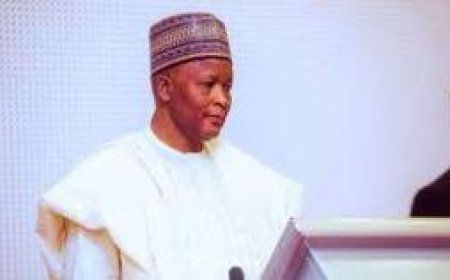
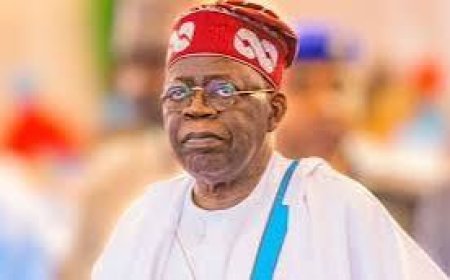
Senate President, Godswill Akpabio, says that President Bola Tinubu would sign the amended Electoral Bill into law before the end of this February.
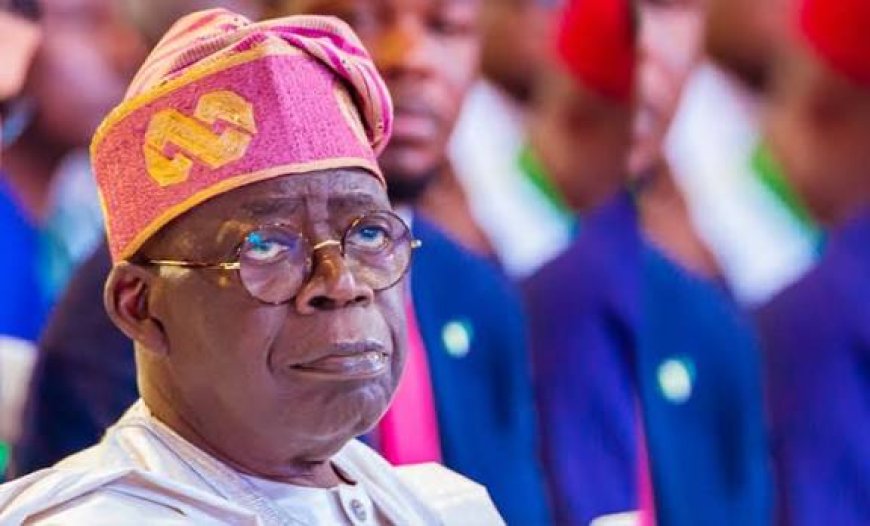
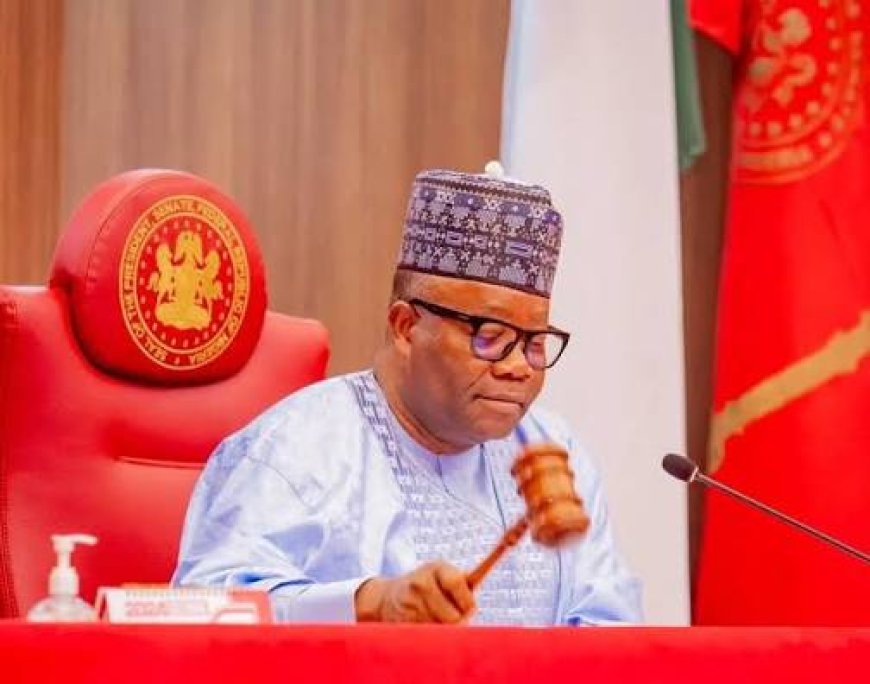
Senate President, Godswill Akpabio, says that President Bola Tinubu would sign the amended Electoral Bill into law before the end of this February.
Akpabio spoke during Tuesday’s plenary
against the backdrop of intensified public outrage and nationwide protests over the controversial removal of the phrase “real-time” from clauses on electronic transmission of election results.
Announcing an expansion of the Senate’s conference committee from nine to 12 members to align with the House of Representatives’ own delegation, Akpabio said, “We have raised our numbers from nine to twelve to match the figures from our colleagues in the House of Reps. We expect everything to be done in the next few days or in a week. The President is expected to sign this into law in February."
This was even as protests under the eaiges of #OccupyNASS continued at the National Assembly Complex in Abuja, comprising civil society groups, opposition figures and human rights activists demanding electoral transparency.
Publisher of the SaharaReporters online newspaper and former presidential candidate and leader of the African Action Congress, AAC, Omoyele Sowore, who was among those at the protest venue accused the political elite of pushing regressive laws that undermine electoral transparency.
His words, "This is an exposition that already existed. It is not new. That is why it is a surprise to everyone that this provision was yanked away from the Electoral Act that Akpabio and his friends are trying to put in place.
“These people cannot win in free and fair elections. But the people have a duty to demand processes that guarantee free, legal and transparent elections.
"I Prefer Electronic Voting, Not Just Transmission
"While public concern has centred on the removal of “real-time” electronic transmission, the focus should be expanded to electronic voting. Election integrity begins at the point of voting, not just result collation.
“My preference is not even electronic transmission of results, because what gets transmitted at the end of the day is what has already been manipulated. I am more interested in electronic voting.
“Whatever people think in their minds that can protect the integrity of their votes, we must defend and support it.
“It is their job to protect the country, not to attack peaceful protesters. I have warned them that if they try that, they are starting something they cannot predict how it will end.
"Nigerians are very angry at this time, but security agents have a duty to maintain law and order, nothing more, nothing less.
“I’m not for baby steps. I’m a revolutionary. Nothing other than revolution will solve this problem. That has always been my position.”
He described the protest at the National Assembly as a reflection of rising political consciousness among Nigerians.
“When we arrived here, you could tell this place was filled with silent revolutionaries. The giants in them began to awaken when they saw that we were together.”
He further criticised the heavy security deployment at the protest venue, describing it as intimidation against citizens exercising constitutional rights, just as he pointed out the growing frustration among Nigerians, urging security forces to act professionally and avoid escalating tensions.
He also, added that Nigeria’s political class fears transparent processes that would expose their unpopularity.
What's Your Reaction?