








































Nigeria–UAE Deal To Give Exporters Gateway To Global Markets — Minister Oduwole
The Federal Government has said that Nigeria’s trade agreement with the United Arab Emirates, UAE, would provide local exporters with a strategic hub to access global markets, especially across the Gulf and beyond.
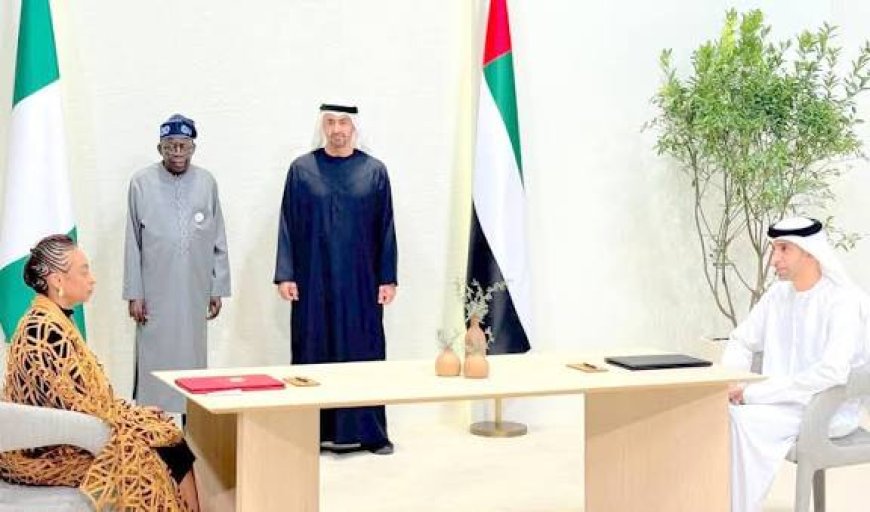
The Federal Government has said that Nigeria’s trade agreement with the United Arab Emirates, UAE, would provide local exporters with a strategic hub to access global markets, especially across the Gulf and beyond.
Nigeria and the UAE signed the trade agreement on Tuesday at the 2026 Abu Dhabi Sustainability Week. The agreement will boost cooperation in trade, infrastructure, renewable energy and other key sectors.
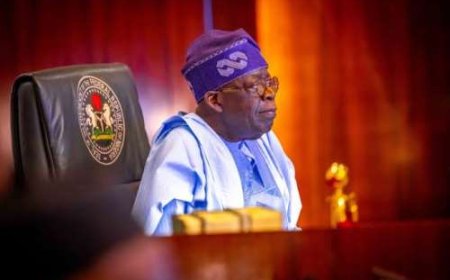
President Bola Tinubu also announced that Nigeria will co-host Investopia with the UAE in Lagos in February to attract global investors.
President Bola Tinubu also announced that Nigeria will co-host Investopia with the UAE in Lagos in February to attract global investors.
Minister of Industry, Trade and Investment, Jumoke Oduwole, spoke , as a guest on Channels Television’s Politics Today, on Thursday, following the signing of a Comprehensive Economic Partnership Agreement, CEPA, between the two countries.
According to Oduwole, the agreement allows over 7,000 Nigerian product lines to enter the UAE market duty-free.
“Over 7,000 product lines, ranging from pharmaceuticals and chemicals to agricultural produce, will be allowed into the UAE market duty-free. We really want Nigerian businesses to take advantage of that,” she further said explaining that the UAE was deliberately chosen as a strategic trade partner because of its global commercial importance and connectivity.
Her words, “We negotiated this deal to enable Nigerian exporters to have a hub into the rest of the world, with access to the Gulf. The UAE is about the tenth largest trading nation in the world, so this is a gateway, a hub that connects East to West and links into the global market...
“The UAE is one of the melting points of the world. Nigerian businesses will be able to open offices and subsidiaries, while business owners can stay in the UAE for up to 90 days within a 12-month period.
“We will be able to have our businesses in areas where they are competitive. These are the areas where Nigeria will deepen access into the UAE itself and then export our products from the UAE to the rest of the world.
“Over 7,000 product lines, ranging from pharmaceuticals and chemicals to agricultural produce, will be allowed into the UAE market duty-free. We really want Nigerian businesses to take advantage of that,” she further said explaining that the UAE was deliberately chosen as a strategic trade partner because of its global commercial importance and connectivity.
Her words, “We negotiated this deal to enable Nigerian exporters to have a hub into the rest of the world, with access to the Gulf. The UAE is about the tenth largest trading nation in the world, so this is a gateway, a hub that connects East to West and links into the global market...
“The UAE is one of the melting points of the world. Nigerian businesses will be able to open offices and subsidiaries, while business owners can stay in the UAE for up to 90 days within a 12-month period.
“We will be able to have our businesses in areas where they are competitive. These are the areas where Nigeria will deepen access into the UAE itself and then export our products from the UAE to the rest of the world.
"We will be able to have our businesses in areas where they are competitive. These are the areas where Nigeria will deepen access into the UAE itself and then export our products from the UAE to the rest of the world,”
The minister further added that the agreement also eases business mobility for Nigerians, allowing entrepreneurs to establish a physical presence in the UAE.
According to her, Nigeria would deepen its export footprint in sectors where it is competitive, using the UAE both as a destination market and a launchpad to other regions, even as the agreement would attract UAE investment into Nigeria, particularly in infrastructure and industrial development.
“We want investment in infrastructure and in many areas where we have gaps. UAE capital will come into these areas, of course they will make good money, but more than that, when they are looking for a hub to access the rest of Africa, they will base those investments in Nigeria and use Nigeria as a hub to export to the rest of Africa,” she also said, pointing out that Nigeria would also import machinery and equipment required to support industrialisation.
The minister further disclosed that Nigerian entrepreneurs can begin exporting immediately under the agreement, while other provisions will be phased in over a three- to five-year period.
Beyond the UAE deal, Oduwole highlighted Nigeria’s wider export expansion strategy across Africa.
“Just last year, we opened an air cargo corridor in partnership with Uganda Airlines. We mapped 13 Eastern and Southern African countries and identified the goods they want from Nigeria,” she said, listing products like processed foods, beverages and fashion items as being in high demand.
“They want our light manufacturing goods, snacks, zobo, plantain chips, and they want our apparel, the clothes and fashion Nigerian businesses are known for. The African market is hungry and thirsty for our goods, and we are facilitating export access for Nigerians across the country,” she added.
Meanwhile, President Tinubu said the deal supports Nigeria’s drive for green investment, higher non-oil exports and long-term economic growth.
The minister further added that the agreement also eases business mobility for Nigerians, allowing entrepreneurs to establish a physical presence in the UAE.
According to her, Nigeria would deepen its export footprint in sectors where it is competitive, using the UAE both as a destination market and a launchpad to other regions, even as the agreement would attract UAE investment into Nigeria, particularly in infrastructure and industrial development.
“We want investment in infrastructure and in many areas where we have gaps. UAE capital will come into these areas, of course they will make good money, but more than that, when they are looking for a hub to access the rest of Africa, they will base those investments in Nigeria and use Nigeria as a hub to export to the rest of Africa,” she also said, pointing out that Nigeria would also import machinery and equipment required to support industrialisation.
The minister further disclosed that Nigerian entrepreneurs can begin exporting immediately under the agreement, while other provisions will be phased in over a three- to five-year period.
Beyond the UAE deal, Oduwole highlighted Nigeria’s wider export expansion strategy across Africa.
“Just last year, we opened an air cargo corridor in partnership with Uganda Airlines. We mapped 13 Eastern and Southern African countries and identified the goods they want from Nigeria,” she said, listing products like processed foods, beverages and fashion items as being in high demand.
“They want our light manufacturing goods, snacks, zobo, plantain chips, and they want our apparel, the clothes and fashion Nigerian businesses are known for. The African market is hungry and thirsty for our goods, and we are facilitating export access for Nigerians across the country,” she added.
Meanwhile, President Tinubu said the deal supports Nigeria’s drive for green investment, higher non-oil exports and long-term economic growth.
What's Your Reaction?