



























FG Scraps JSS/SSS System, Introduces 12-Year Continuous Basic Education
The Federal Government has scrapped the 3---3 Junior Secondary, JSS, and Senior Secondary School, SSS, system in a major overhaul of Nigeria's education system.
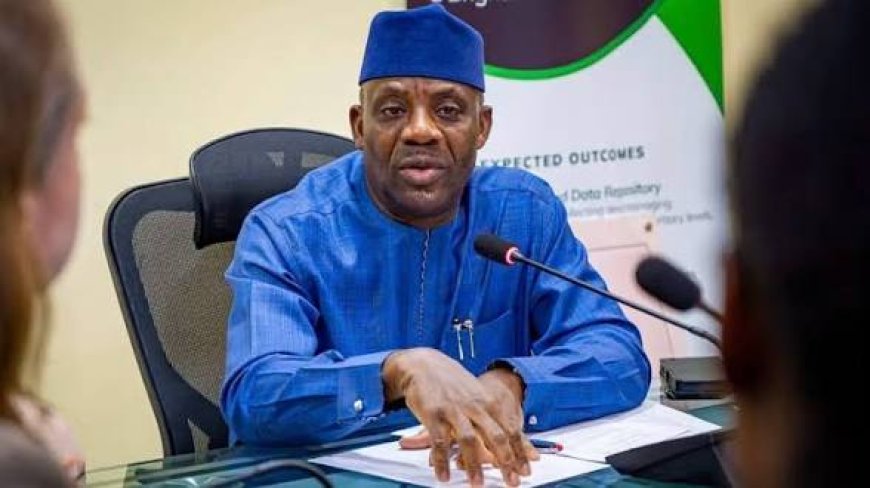
The Federal Government has scrapped the 3---3 Junior Secondary, JSS, and Senior Secondary School, SSS, system in a major overhaul of Nigeria's education system.
The government has also, replaced the 6-3-3-4 structure with a compulsory 12-year uninterrupted basic education model, according to the Minister of Education, Dr. Maruf Tunji Alausa.
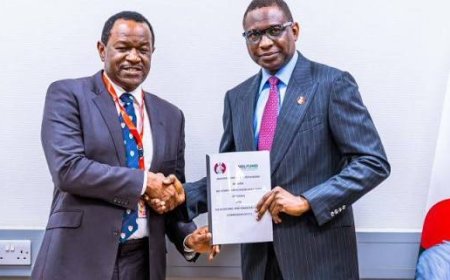
Alausa spoke during the inauguration of the Universal Basic Education Commission, UBEC, Ministerial Implementation and Monitoring Committee in Abuja on Tuesday, adding that, the reform was aimed at improving access to education, reducing the number of out-of-school children, and ensuring that every Nigerian child received the 12 years of continuous, quality education before progressing to tertiary institutions or vocational training.
Under the new arrangement, the JSS and SSS divisions will be merged into a single 12-year basic education programme.
Alausa further said that the new model was designed to eliminate the transition barriers between junior and senior secondary education, which have contributed to high dropout rates among students, pointing out that the uninterrupted 12-year system would provide a more seamless learning experience, strengthen foundational and vocational skills, and improve student retention across the country.
The reform also seeks to standardise curriculum delivery, enhance education quality, and better align Nigeria's school system with global best practices.
The 6-3-3-4 system, introduced in 1982, consisted of six years of primary education, three years of junior secondary school, three years of senior secondary school, and four years of tertiary education.
However, the Federal Government said that the implementation of the new policy will involve curriculum reforms, teacher trainings, adjustments to school administration, and collaboration with state governments and other education stakeholders are expected to closely monitor the rollout of the reform, which the government noted would improve educational outcomes and expand opportunities for millions of Nigerian children.
What's Your Reaction?