
















2027: Integrity As A Political Currency: Why The Obi Standard Matters
Leadership is ultimately a test of character. Competence can be acquired, technical skills can be learned, and political alliances can be built, but integrity is cultivated over a lifetime.
By Chinenye Nwaogu & Clara Eromosele
Leadership is ultimately a test of character. Competence can be acquired, technical skills can be learned, and political alliances can be built, but integrity is cultivated over a lifetime. Across successful democracies, the most enduring leaders have distinguished themselves not merely by their policies but by the trust they inspired. That trust is earned through consistency, accountability, transparency and personal discipline. Nigeria's democratic journey has too often elevated other considerations above these values.
As the debate over Nigeria's 2027 presidential election gathers momentum, the country faces an opportunity to reflect on the qualities that should define its highest office. Beyond campaign promises and political rhetoric lies a more fundamental question: what kind of personal example should a president set for future generations?
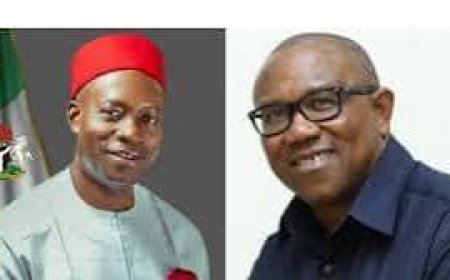
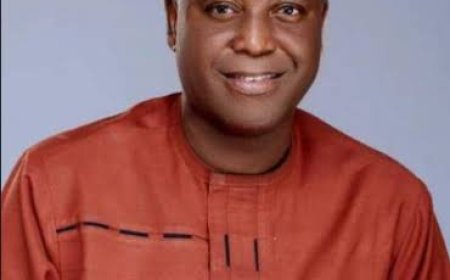
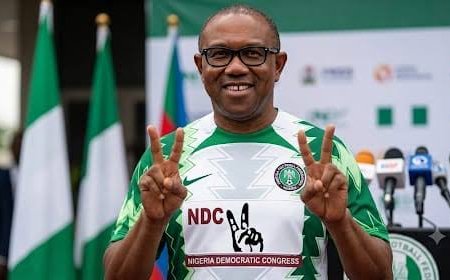
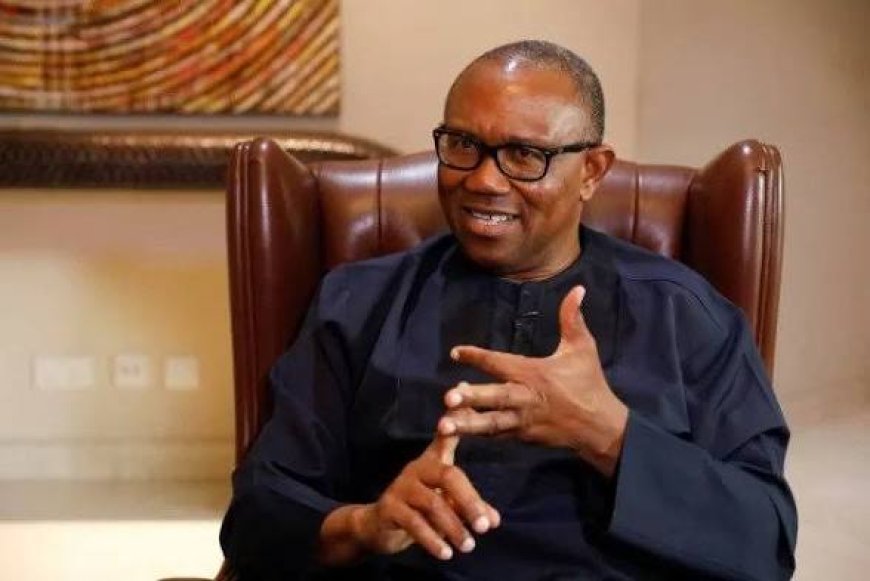
Whatever one's political affiliation, Peter Obi occupies a unique place in contemporary Nigerian politics because discussions about him frequently centre on his personal reputation for prudence, modesty and integrity. Unlike many prominent political figures whose careers have been overshadowed by allegations of corruption, Obi has maintained a public image that has largely remained free from proven corruption scandals. In a country where corruption has long been identified by both domestic institutions and international observers as one of the principal obstacles to development, that distinction deserves thoughtful consideration.
Obi entered politics after establishing himself in business, a fact that has often been cited to explain the origin of his wealth. His educational background, entrepreneurial experience and record as Governor of Anambra State have consistently formed part of the public assessment of his leadership credentials. Supporters point to his emphasis on fiscal discipline, savings, debt management, investment in education and healthcare, and his reputation for relatively modest personal living while in office. These are legitimate aspects of his public record that deserve scrutiny and debate, just as critics are entitled to question aspects of his governance and political strategy.
What is particularly significant, however, is not simply Obi as an individual but what his public image represents. In an environment where public confidence in political leadership has been weakened by repeated corruption scandals and governance failures, a politician widely perceived as personally disciplined offers an alternative model of leadership. Even many who disagree with his policies often acknowledge that his reputation for personal integrity has become one of his strongest political assets.
Some observers argue that Obi has not built an extensive political machine or produced as many political protégés as several of Nigeria's established political leaders. That may be a fair observation. Yet democratic leadership should not ultimately be measured by the number of loyal followers a politician creates but by the values that leader institutionalises. Patronage networks may secure electoral victories, but they do not necessarily strengthen democratic institutions. Integrity, accountability and respect for public resources leave a far more enduring legacy.
Young Nigerians aspiring to political office should draw an important lesson from this example. Politics should never be viewed as a shortcut to wealth or influence. Rather, it should be the culmination of a life already defined by honesty, professional achievement and service. The strongest political capital is not money or ethnicity; it is credibility. A reputation painstakingly built over decades can become a nation's greatest source of confidence in its leaders.
Nigeria's governance challenges have never resulted from a shortage of educated politicians. The country has produced accomplished lawyers, economists, academics, entrepreneurs and administrators. The persistent deficit has been ethical leadership—the willingness to place public interest above personal or political gain. Until integrity becomes a central criterion in leadership selection, the cycle of underperformance is likely to continue.
This is not an argument that any politician is beyond criticism or should be exempt from democratic scrutiny. Every public office holder must remain accountable for decisions, policies and outcomes. Rather, it is an appeal for Nigerians to begin rewarding proven character with the same enthusiasm they reward political mobilisation, ethnic identity or financial influence.
History consistently shows that nations flourish when public trust in leadership is strong. Citizens willingly sacrifice, invest and cooperate when they believe those entrusted with power are acting honestly and responsibly. Conversely, where integrity is scarce, institutions weaken, corruption expands and development slows.
As Nigeria prepares for another defining electoral contest, perhaps the most important question is not simply who possesses the best manifesto but who best embodies the values capable of rebuilding public confidence. If character, competence and capacity were given the prominence they deserve, leadership choices would become considerably clearer.
Integrity alone does not guarantee effective governance, but without integrity, sustainable governance is almost impossible. Nigeria's future depends not only on electing capable leaders but on cultivating a political culture where honesty, accountability and credibility are recognised as indispensable qualifications for public office.
What's Your Reaction?