









Why I accepted to work with Peter Obi — Kwankwaso
Two -term former Governor of Kano State and founder of the Kwankwasiyya Movement, Rabiu Musa Kwankwaso, has given reasons why he and some “leadership in the north” opted to align with Peter Obi, to save the country from the poor leadership of President Bola Tinubu- led All Progressives Congress, APC, in the country.
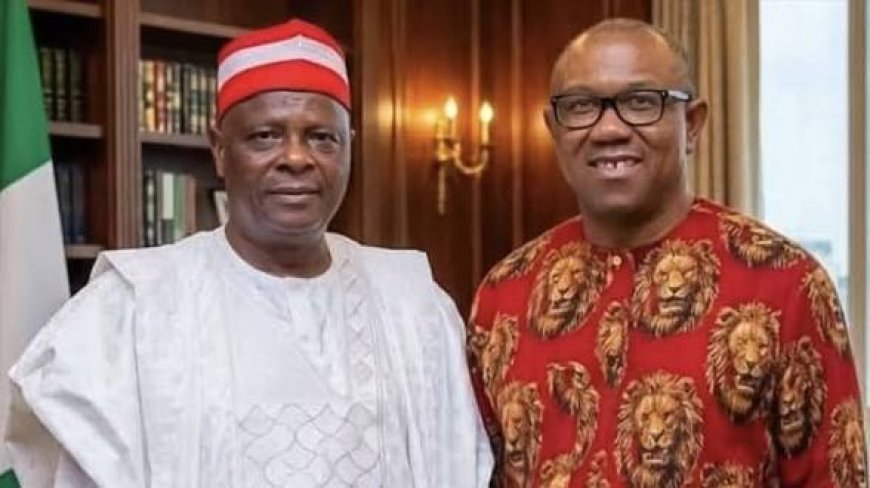
Two -term former Governor of Kano State and founder of the Kwankwasiyya Movement, Rabiu Musa Kwankwaso, has given reasons why he and some “leadership in the north” opted to align with Peter Obi, to save the country from the poor leadership of President Bola Tinubu- led All Progressives Congress, APC, in the country.
Kwankwaso, who was also, a former minister of Defence, said some political leaders in the North, including himself, did an assessment of potential allies before settling on Peter Obi as the most capable partner to prosecute the 2027 presidential campaign.
This was even as he dismissed concerns about a hidden power struggle between his camp and Obi’s.
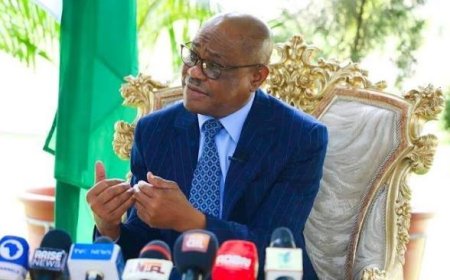
The former governor spoke in an interview on Arise TV on Monday, in one of his most detailed accounts yet on how the North-Southeast political alliance within the Nigerian Democratic Congress, NDC, was formed.
His words, “I looked around together with our leadership in the north to say, okay, who do we think is capable? Who can come and work together with us honestly so that we can move this country? Along the line, we realised that Peter Obi is at the forefront of it. That’s why we all accepted to work together.”
Kwankwaso, was a two-term former governor of Kano State and the presidential candidate of the New Nigeria Peoples Party , NNPP, in 2023. His Kwankwasiyya movement, is a grassroots political force with deep loyalty across Kano and parts of northern Nigeria.
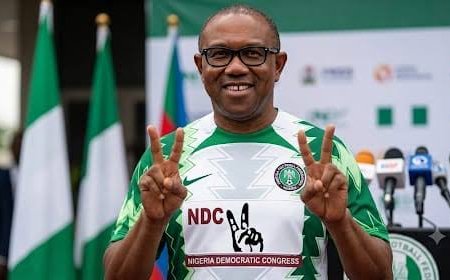
He left the NNPP amid internal disputes before joining the NDC alongside Obi, also, a former governor of Anambra State, who was the presidential candidate of the Labour Party, LP, in 2023, earlier this month.
This was even as he dismissed concerns about a hidden power struggle between his camp and Obi’s.
The former governor spoke in an interview on Arise TV on Monday, in one of his most detailed accounts yet on how the North-Southeast political alliance within the Nigerian Democratic Congress, NDC, was formed.
His words, “I looked around together with our leadership in the north to say, okay, who do we think is capable? Who can come and work together with us honestly so that we can move this country? Along the line, we realised that Peter Obi is at the forefront of it. That’s why we all accepted to work together.”
Kwankwaso, was a two-term former governor of Kano State and the presidential candidate of the New Nigeria Peoples Party , NNPP, in 2023. His Kwankwasiyya movement, is a grassroots political force with deep loyalty across Kano and parts of northern Nigeria.
He left the NNPP amid internal disputes before joining the NDC alongside Obi, also, a former governor of Anambra State, who was the presidential candidate of the Labour Party, LP, in 2023, earlier this month.
In the LP, Obi, enjoyed massive youth-driven support across the South and urban centres across the country, though he did not win at the end.
However, both politicians formally joined the NDC on Sunday, May 3, 2026, defecting from the crisis-hit African Democratic Congress and the NNPP.
At the party’s national convention on Saturday in Abuja, Kwankwaso backed the NDC’s decision to zone its 2027 presidential ticket to the South, describing it as a step toward fairness, healing and national cohesion.
Answering a question on whether the alliance concealed a quiet rivalry between both camps, Kwankwaso noted that friction between principals and their deputies was a product of greed, and not structural tension.
According to him, “The problem people are having, especially leaders, is that they are too greedy to the extent that they begin to have issues. There is so much to do. You don’t have to fight your deputy.
At the party’s national convention on Saturday in Abuja, Kwankwaso backed the NDC’s decision to zone its 2027 presidential ticket to the South, describing it as a step toward fairness, healing and national cohesion.
Answering a question on whether the alliance concealed a quiet rivalry between both camps, Kwankwaso noted that friction between principals and their deputies was a product of greed, and not structural tension.
According to him, “The problem people are having, especially leaders, is that they are too greedy to the extent that they begin to have issues. There is so much to do. You don’t have to fight your deputy.
“I had an opportunity to work with my speaker and we worked very well. I was in Kano for eight years despite the difficulty of my then deputy governor. We were able to work for eight years amicably to the extent that I handed over to him.
“In the Senate and other places, in the NDDC, we worked amicably with people. There is so much to be done and that’s why you have even ministers, other executives, advisors and so on. I don’t see from my experiences of the past why deputies or vice would fight with the president or governor.
“Right from the beginning, this sort of alliance has been in existence. Now we are going back to what Tafawa Balewa did during their time.
“Right from the beginning, this sort of alliance has been in existence. Now we are going back to what Tafawa Balewa did during their time.
“So also in the second republic, immediately after the war, our leaders, Shagari and others, worked very closely with the southeast, with Alex Ekwueme as his vice president. They are our friends. We want to work together with them.
“There was a change during the third republic where for many obvious reasons an election was annulled and the government under the military decided to bring in Shonekan from the South-West.
“Even after that, the military and other leaders worked together and brought in Chief Olusegun Obasanjo from the South-West again. Even Bola Tinubu probably is a beneficiary of all that.
“Even after that, the military and other leaders worked together and brought in Chief Olusegun Obasanjo from the South-West again. Even Bola Tinubu probably is a beneficiary of all that.
“It wasn’t just because we are going to the South-West just because of the South-West. No. We realised that Peter Obi is at the forefront of it and that’s why we all accepted to work together."
He said his record as a former deputy speaker of the House of Representatives, and later as governor of Kano State, showed that political partnerships could hold under pressure.
Kwankwaso, further traced political alliances in the Nigerian political history, tracing a lineage of productive North-Southeast partnerships from the first republic to the present.
According to him, the collaboration between former Prime Minister Tafawa Balewa and leaders of the NCNC, as well as that of former President Shehu Shagari and his vice president, Alex Ekwueme, in the second republic, yielded fruits.
Kwankwaso also noted that subsequent administrations had shifted power-sharing away from the South-East, a pattern he suggested the current alliance was meant to correct, hence the choice of Obi was not driven by regional sentiment alone.
The movement of both men into the NDC has triggered a wave of defections, with senators, House of Representatives members and political blocs aligned with their former coalition gravitating toward the new party, rapidly reshaping calculations ahead of the 2027 elections.
Political analysts argue that the alliance pairs Kwankwaso’s northern grassroots structure and disciplined voter mobilisation with Obi’s national youth engagement and urban electoral momentum, positioning the NDC as one of the main opposition platforms set to challenge President Bola Tinubu and the ruling All Progressives Congress in 2027.
He said his record as a former deputy speaker of the House of Representatives, and later as governor of Kano State, showed that political partnerships could hold under pressure.
Kwankwaso, further traced political alliances in the Nigerian political history, tracing a lineage of productive North-Southeast partnerships from the first republic to the present.
According to him, the collaboration between former Prime Minister Tafawa Balewa and leaders of the NCNC, as well as that of former President Shehu Shagari and his vice president, Alex Ekwueme, in the second republic, yielded fruits.
Kwankwaso also noted that subsequent administrations had shifted power-sharing away from the South-East, a pattern he suggested the current alliance was meant to correct, hence the choice of Obi was not driven by regional sentiment alone.
The movement of both men into the NDC has triggered a wave of defections, with senators, House of Representatives members and political blocs aligned with their former coalition gravitating toward the new party, rapidly reshaping calculations ahead of the 2027 elections.
Political analysts argue that the alliance pairs Kwankwaso’s northern grassroots structure and disciplined voter mobilisation with Obi’s national youth engagement and urban electoral momentum, positioning the NDC as one of the main opposition platforms set to challenge President Bola Tinubu and the ruling All Progressives Congress in 2027.
What's Your Reaction?