











June 12 Without Justice: President Tinubu's Speech Could Not Hide The Failure Of Governance
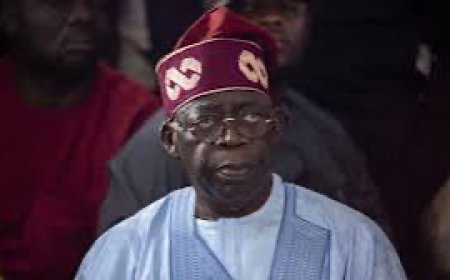
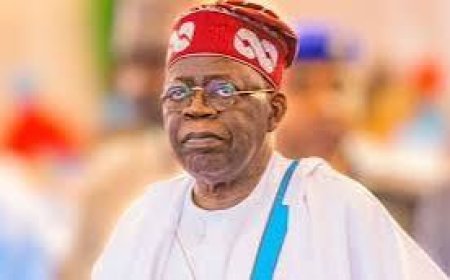
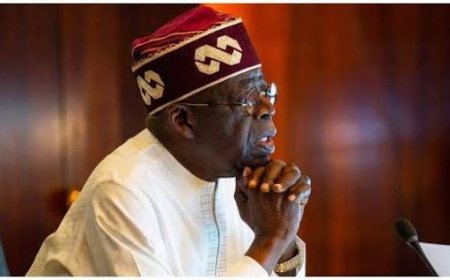
President Bola Ahmed Tinubu's Democracy Day address sought to project confidence, progress, and optimism. It was a speech filled with promises, statistics, and declarations of success. Yet for millions of Nigerians, it sounded more like a public relations exercise than a reflection of reality.
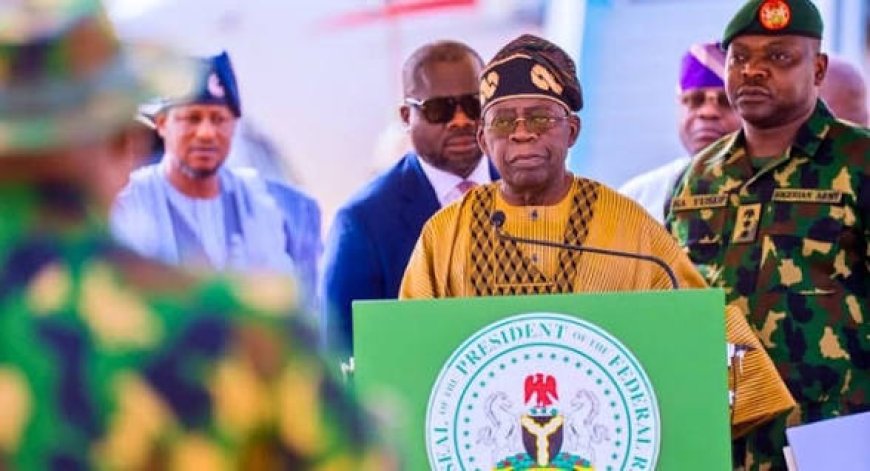
By Chinenye Nwaogu & Clara Eromosele
President Bola Ahmed Tinubu's Democracy Day address sought to project confidence, progress, and optimism. It was a speech filled with promises, statistics, and declarations of success. Yet for millions of Nigerians, it sounded more like a public relations exercise than a reflection of reality.
The true test of leadership is not the quality of speeches but the quality of life of citizens. By that standard, the administration's performance remains deeply disappointing.
While government officials celebrate improvements in certain macroeconomic indicators, ordinary Nigerians are experiencing the most severe cost-of-living crisis in a generation. Inflation has destroyed purchasing power, food prices remain unaffordable, transportation costs have skyrocketed, and many families are making painful choices between feeding their children, paying rent, and accessing healthcare.
The administration continues to argue that economic reforms require sacrifice. The problem is not sacrifice itself. The problem is that the burden of sacrifice has been placed almost entirely on ordinary Nigerians while the political class continues to enjoy the privileges of power.
More troubling is the government's inability to deliver meaningful progress in the fight against insecurity.
The President spoke confidently about security gains, yet vast areas of the country remain vulnerable to terrorism, banditry, kidnapping, communal violence, and criminality. Farmers continue to abandon their farms because of insecurity. Communities still live under constant fear. Businesses continue to spend heavily on private security because they have little confidence in state protection.
A government cannot claim victory over insecurity when citizens are still afraid to travel on major highways, when farmers cannot safely cultivate their land, and when kidnapping has become a thriving criminal enterprise across many parts of the federation.
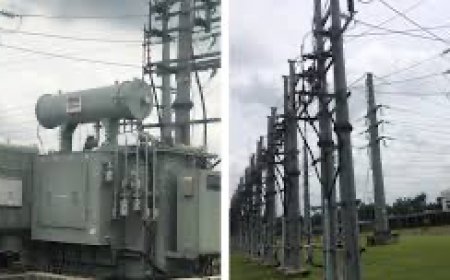
The electricity sector remains another painful symbol of unfulfilled promises.
Nigeria continues to struggle with power generation levels that are insufficient for a nation of over 200 million people. Households spend fortunes on generators, diesel, inverters, and alternative energy solutions. Manufacturers face rising production costs because of unreliable electricity. Small businesses are closing while investors increasingly choose more competitive destinations.
After decades of promises from successive administrations, including the current one, stable electricity remains one of Nigeria's greatest development failures.
Equally concerning is the growing perception that corruption has merely evolved rather than diminished.
Despite repeated commitments to transparency and accountability, many Nigerians see little evidence that the fight against corruption is being pursued with the consistency and impartiality required to restore public confidence. Corruption is no longer measured only by stolen funds. It is also reflected in wasteful governance, lack of transparency in public spending, political patronage, and the absence of consequences for abuse of office*.
The administration also faces serious questions about the health of Nigeria's democracy.
One of the pillars of democratic governance is the existence of a vibrant and credible opposition*. Yet there is an increasing perception that political power is being used to weaken opposition parties, encourage defections, consolidate control, and reduce the space for alternative political voices.
Democracy is not strengthened when one party becomes overwhelmingly dominant. Democracy is strengthened when institutions are strong enough to protect dissent, encourage competition, and hold those in power accountable.
The irony of the President's June 12 speech is that it celebrated a democratic struggle that was fundamentally about resisting the concentration of power while many Nigerians now worry about growing political centralization and shrinking democratic competition.
Perhaps the administration's greatest challenge is the steady erosion of public trust.
Trust is the currency of governance. Once lost, it becomes extremely difficult to recover.
Today, many Nigerians no longer believe government promises. They have heard too many speeches, too many declarations, and too many assurances that failed to translate into meaningful improvements in their daily lives. The widening gap between official narratives and lived realities has created a dangerous credibility deficit.
Citizens want results, not rhetoric; they want security, not assurances.
They want electricity, not explanations; they want jobs, not statistics.They want accountability, not propaganda.
Citizens want governance, not politics.
As the nation marks another Democracy Day, Nigerians must ask a fundamental question: Has democracy improved the lives of the people, or has it merely changed the faces of those in power?
The heroes of June 12 fought for a Nigeria built on justice, accountability, freedom, and popular sovereignty. They did not fight for a democracy where citizens suffer while leaders celebrate. They did not fight for a system where political survival becomes more important than national transformation.
History will not judge this administration by the elegance of its speeches, the sophistication of its media campaigns, or the frequency of its promises.
History will judge it by whether Nigerians became safer, more prosperous, more free, and more hopeful under its watch.
What's Your Reaction?