






































House of Representatives Approve Bill For Creation Of State Police in Nigeria
The House of Representatives Thursday, passed a Bill for the creation of both State and Federal Police authorities in the country.
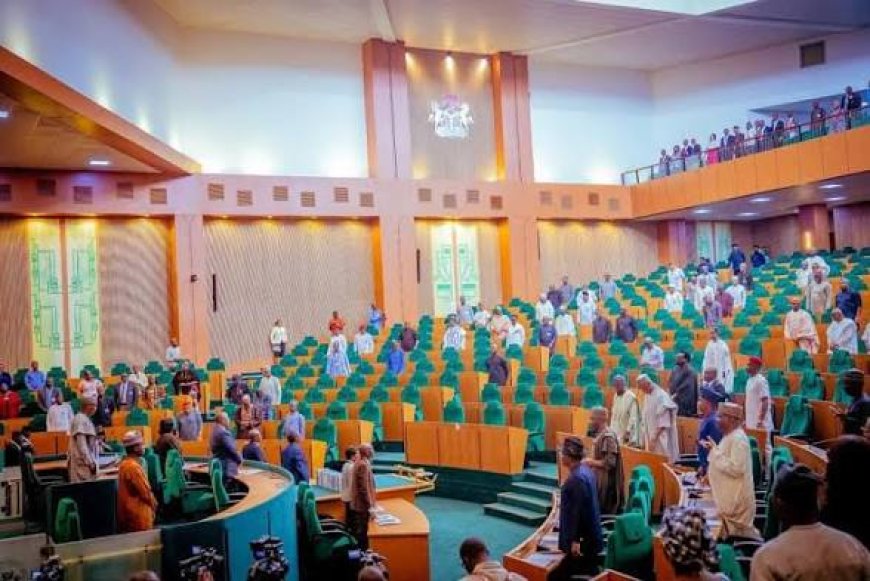
The House of Representatives Thursday, passed a Bill for the creation of both State and Federal Police authorities in the country.
The new bill could reshape Nigeria’s internal security system, as it marks a significant step in the long-running debate over policing reform.
The proposal comes amid growing concerns over insecurity, including banditry, kidnapping, and other violent crimes, which have placed pressure on the current centralised policing structure managed by the Nigeria Police Force. Most Nigerians have argued that decentralising policing will allow faster, more localised responses to security threats, while those opposed to the initiative have always warned about risks of political misuse by state governors.
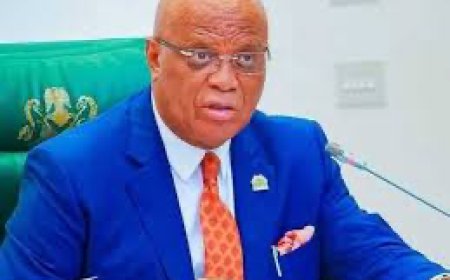
The bill, considered during plenary presided over by Speaker Tajudeen Abbas, received overwhelming support from lawmakers, as 289 members voted in support with one abstention, and none against.
The Senate is expected to support the proposal as part of the constitutional amendment process of the National Assembly of Nigeria.
At the centre of the amendment is the creation of both federal and state policing systems. It proposes changes to Section 214 of the 1999 Constitution to formally recognise state police, while allowing the federal police to continue operating nationwide under national standards set by the legislature. Each state would be required to pass its own law before establishing a police force, subject to compliance checks.
The bill also introduces a new command and accountability structure. Governors would have authority over state police commissioners, while the Inspector-General of Police would continue to lead the federal system. However, intervention by federal authorities in state policing would be limited to cases of major breakdown of law and order or at the request of state governments. Oversight is expected to remain under bodies such as the Nigeria Police Council to balance control and accountability.
If approved by the Senate, and at least two-thirds of state assemblies, and signed into law, the amendment would mark a historic shift in Nigeria’s security framework.
What's Your Reaction?