





















APC, Like PDP, May Be Dominant But Not Invincibl
On December 19, 2008, Chief Vincent Ogbulafor, then National Chairman of the Peoples Democratic Party (PDP), boldly declared that the party would rule Nigeria for 60 years.
By James Ogunjimi
On December 19, 2008, Chief Vincent Ogbulafor, then National Chairman of the Peoples Democratic Party (PDP), boldly declared that the party would rule Nigeria for 60 years.
And, frankly, given how powerful, dominant and seemingly unassailable the PDP was at the time, it was difficult to dismiss his boast.
When Ogbulafor made that declaration, the PDP controlled 28 of Nigeria’s 36 states, 85 of the 109 seats in the Senate, and 263 of the 360 seats in the House of Representatives.
In percentage terms, that translated to approximately 78 per cent of state governorships, 80 per cent of the Senate and 73 per cent of the House of Representatives.
The boast was not without substance. The PDP had the numbers, the political machinery and the institutional dominance to make its 60-year ambition seem plausible. It looked invincible.
Yet, just six years later, the party lost the presidency in a historic election and began a spectacular descent into political disintegration and oblivion.
Today, the All Progressives Congress, APC, finds itself in a remarkably similar position. Some of the leading figures who contributed to the PDP's downfall have joined the APC and are showing the same PDP arrogance. The party controls 31 of Nigeria’s 36 states (about 86 per cent), with additional political defectors from other parties; 88 of the 109 Senate seats (about 81 per cent); and 208 of the 360 seats in the House of Representatives (about 58 per cent). One of the remaining five state governors is a political ‘hermophrodite’. By his actions and utterances, he has abandoned his party but has not become an APC member. He is like Wike.
Like the PDP of 2008, the APC looks overwhelmingly dominant. And it wants Nigerians to believe that its dominance is synonymous with invincibility.
But it isn’t. Just as the PDP was not invincible, neither is the APC.
Their strategy is simple: make Nigerians believe that resistance is futile. Create an atmosphere of fear and political hopelessness. Push the narrative that the ruling party has captured every institution, cornered every political space and made electoral victory for the opposition impossible. But that narrative is a carefully constructed illusion.
If the APC is so confident of its political strength and has truly captured everywhere, why is it so uncomfortable with the opposition campaigning freely?
Why does it deploy compromised judicial processes to undermine opposition parties? Why are political opponents subjected to intimidation, while thugs are unleashed on their convoys?
Do these look like the actions of a party genuinely confident of its electoral strength? Hardly. They are more consistent with the behaviour of a political establishment that recognises the possibility of defeat and is desperately trying to prevent it.
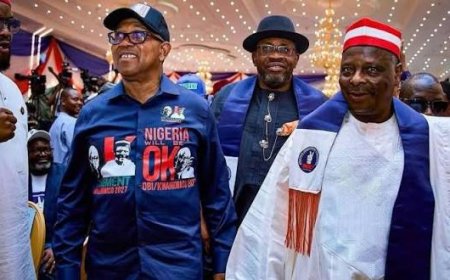
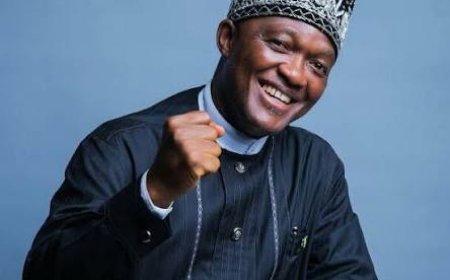
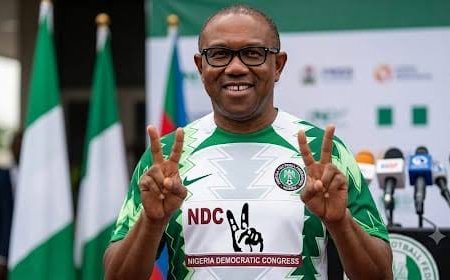
So, the next time anyone tries to sell you the tired argument that Peter Obi has no political structure or nationwide appeal, or that the APC’s principal is some unbeatable political mastermind, ask a simple question: If they are such political geniuses, why are they so afraid of competition, open political debates and the sight of opposition campaign materials?
Do not be deceived. Political dominance is not permanent. Electoral victory is not inherited. And no political party, regardless of the size of its war chest or the number of governors and legislators in its ranks, is beyond defeat.
The APC is beatable. And we must never surrender to the politics of fear and manufactured inevitability. Another instructive moment is the outcome of the US midterm elections. The closing remarks of US Senator-elect Dr Abdul Sayed recently is telling. He took a swipe at Vice President JD Vance and President Donald Trump. An important part of his remarks, which many people apparently missed, was his direct message to Michigan's governor. He said: “Mike, enjoy your retirement. I know you got a house in Florida and two yachts. See, you chose hate and Michigan chose hope. May we never have to see the likes of you in this state again.”
That is the power of democratic choice. It reminds us that political power ultimately belongs to the people, not to those who occupy public office or imagine themselves indispensable.
Nigeria, too, will be okay. Our democracy must not be held hostage by the arrogance of incumbency, the intimidation of opponents or the propaganda of political invincibility.
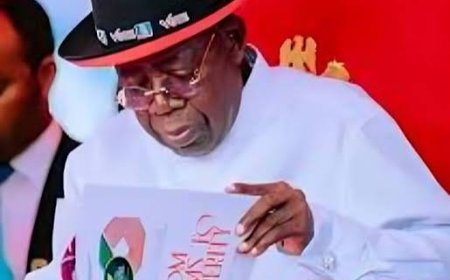
And, to borrow from Senator-elect Dr Abdul Sayed's closing words, may we never again have to endure the likes of Tinubu and his APC in this country.
What's Your Reaction?