



























Bringing Back Subsidies Will Cost Nigeria N20trn Annually — CPPE
The Centre for the Promotion of Private Enterprise, CPPE, says that restoring petrol subsidy would cost the country approximately N20 trillion yearly, thus pushing Nigeria into a deeper fiscal, debt and foreign exchange crisis.
The Centre for the Promotion of Private Enterprise, CPPE, says that restoring petrol subsidy would cost the country approximately N20 trillion yearly, thus pushing Nigeria into a deeper fiscal, debt and foreign exchange crisis.
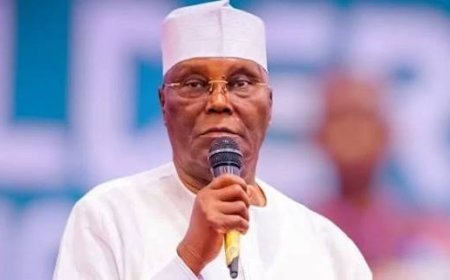
The Presidency and former Vice President Atiku Abubakar, have been at loggerheads over the removal of subsidy and the debilitating effects on the country’s economy.
Atiku, the presidential candidate of the African Democratic Congress, ADC, in the upcoming general elections, vowed to return fuel subsidy if he wins.
CPPE CEO Dr. Muda Yusuf, in a policy position obtained by Daily Trust, maintained that the economic fallout of fuel subsidies would outnumber the short-term relief.
He added: “Using an estimated PMS consumption benchmark of 50 million litres per day and an indicative subsidy requirement of N1,050 per litre, the potential fiscal exposure would be approximately: N52.5 billion daily, N1.575 trillion monthly, N19.16 trillion annually — approximately N20 trillion.”
He said that actual figures would fluctuate with crude oil prices, exchange rates, landing costs and consumption levels.
He noted that although actual costs would vary with consumption, crude-oil prices, exchange rates, refinery or landing costs and the regulated pump price, consumption could also increase under a subsidy regime as price differentials recreate incentives for cross-border diversion,” Yusuf added.
He hinted that a N20 trillion subsidy bill would dwarf spending on critical sectors and force government into heavy borrowing.
He also said an annual subsidy bill approaching N20 trillion would impose an enormous opportunity cost.
“It would compete with spending on infrastructure, education, healthcare, security, agriculture and social protection, while potentially widening the fiscal deficit and increasing borrowing and debt-service pressures,” it stated.
He said Nigeria’s 2025 budget was about N47 trillion, stressing that a N20 trillion subsidy would consume over 40% of that envelope.
Commenting on monetary impact, he said higher government borrowing could also crowd out private-sector credit, sustain high interest rates and weaken investment, productivity, job creation and economic growth.
Nigeria, he noted, would therefore risk replacing an energy-price problem with a much larger fiscal, debt, foreign-exchange and investment problem.
According to him, subsidy reinstatement would reverse the gains of deregulation and bring back market distortions.
“However, restoring a universal petrol subsidy would recreate many of the problems the reform sought to address, including fiscal leakage, foreign-exchange pressure, arbitrage, smuggling, pricing distortions and investment uncertainty,” Yusuf said.
He emphasised that subsidy removal, though painful, was a structural reform needed to free up resources and attract investment into domestic refining.
He added: “Domestic refining also conserves foreign exchange through import substitution, creates export opportunities and retains refining, engineering, logistics and technical jobs within the Nigerian economy.
“Nigeria’s strategic objective should therefore be to transition from dependence on imported petroleum products to becoming a competitive regional refining and petrochemical hub.”
CPPE advised Nigerians and policymakers to separate subsidy removal from global oil shocks, adding that before the latest conflict-related escalation in international energy prices, petrol was sold at about N774–N800 per litre.
Prices subsequently rose above N1,300 per litre as global energy prices increased sharply amid the Middle East crisis, he said.
Saying it would be incorrect to attribute the entirety of the latest petrol-price increase to subsidy removal, he advocated the need for targeted relief aimed at reducing the cost of living without destabilizing public finances.
He explained that the current pressures require urgent and socially sensitive intervention, but relief should address the sources of household vulnerability and high business costs rather than subsidising petrol consumption indiscriminately.
He suggested measures such as affordable mass transit and rail logistics; improved electricity and CNG/solar alternatives; support for food production and irrigation; direct social protection for vulnerable households; better healthcare and education; lower costs for MSMEs; and a stable framework for domestic refining.
He added: “These interventions should be a shared responsibility of federal, state and local governments. Equally important, the fiscal gains from subsidy removal must become more visible in infrastructure, public services and productive investment.
“The CPPE recognises that the current petrol-price escalation presents a serious cost-of-living, inflation and competitiveness challenge requiring urgent intervention. However, restoring the pre-reform universal subsidy regime is neither fiscally sustainable nor economically prudent.
“The appropriate policy direction is to preserve the downstream petroleum reforms while aggressively mitigating their social and economic costs.”
“The subsidy debate should therefore move beyond the binary question of whether petrol subsidy should be restored. The more consequential issue is how Nigeria can convert the gains of the reform into lower structural costs, stronger domestic production, improved competitiveness, greater energy security and measurable improvements in citizens’ welfare.”
Atiku, the presidential candidate of the African Democratic Congress, ADC, in the upcoming general elections, vowed to return fuel subsidy if he wins.
CPPE CEO Dr. Muda Yusuf, in a policy position obtained by Daily Trust, maintained that the economic fallout of fuel subsidies would outnumber the short-term relief.
He added: “Using an estimated PMS consumption benchmark of 50 million litres per day and an indicative subsidy requirement of N1,050 per litre, the potential fiscal exposure would be approximately: N52.5 billion daily, N1.575 trillion monthly, N19.16 trillion annually — approximately N20 trillion.”
He said that actual figures would fluctuate with crude oil prices, exchange rates, landing costs and consumption levels.
He noted that although actual costs would vary with consumption, crude-oil prices, exchange rates, refinery or landing costs and the regulated pump price, consumption could also increase under a subsidy regime as price differentials recreate incentives for cross-border diversion,” Yusuf added.
He hinted that a N20 trillion subsidy bill would dwarf spending on critical sectors and force government into heavy borrowing.
He also said an annual subsidy bill approaching N20 trillion would impose an enormous opportunity cost.
“It would compete with spending on infrastructure, education, healthcare, security, agriculture and social protection, while potentially widening the fiscal deficit and increasing borrowing and debt-service pressures,” it stated.
He said Nigeria’s 2025 budget was about N47 trillion, stressing that a N20 trillion subsidy would consume over 40% of that envelope.
Commenting on monetary impact, he said higher government borrowing could also crowd out private-sector credit, sustain high interest rates and weaken investment, productivity, job creation and economic growth.
Nigeria, he noted, would therefore risk replacing an energy-price problem with a much larger fiscal, debt, foreign-exchange and investment problem.
According to him, subsidy reinstatement would reverse the gains of deregulation and bring back market distortions.
“However, restoring a universal petrol subsidy would recreate many of the problems the reform sought to address, including fiscal leakage, foreign-exchange pressure, arbitrage, smuggling, pricing distortions and investment uncertainty,” Yusuf said.
He emphasised that subsidy removal, though painful, was a structural reform needed to free up resources and attract investment into domestic refining.
He added: “Domestic refining also conserves foreign exchange through import substitution, creates export opportunities and retains refining, engineering, logistics and technical jobs within the Nigerian economy.
“Nigeria’s strategic objective should therefore be to transition from dependence on imported petroleum products to becoming a competitive regional refining and petrochemical hub.”
CPPE advised Nigerians and policymakers to separate subsidy removal from global oil shocks, adding that before the latest conflict-related escalation in international energy prices, petrol was sold at about N774–N800 per litre.
Prices subsequently rose above N1,300 per litre as global energy prices increased sharply amid the Middle East crisis, he said.
Saying it would be incorrect to attribute the entirety of the latest petrol-price increase to subsidy removal, he advocated the need for targeted relief aimed at reducing the cost of living without destabilizing public finances.
He explained that the current pressures require urgent and socially sensitive intervention, but relief should address the sources of household vulnerability and high business costs rather than subsidising petrol consumption indiscriminately.
He suggested measures such as affordable mass transit and rail logistics; improved electricity and CNG/solar alternatives; support for food production and irrigation; direct social protection for vulnerable households; better healthcare and education; lower costs for MSMEs; and a stable framework for domestic refining.
He added: “These interventions should be a shared responsibility of federal, state and local governments. Equally important, the fiscal gains from subsidy removal must become more visible in infrastructure, public services and productive investment.
“The CPPE recognises that the current petrol-price escalation presents a serious cost-of-living, inflation and competitiveness challenge requiring urgent intervention. However, restoring the pre-reform universal subsidy regime is neither fiscally sustainable nor economically prudent.
“The appropriate policy direction is to preserve the downstream petroleum reforms while aggressively mitigating their social and economic costs.”
“The subsidy debate should therefore move beyond the binary question of whether petrol subsidy should be restored. The more consequential issue is how Nigeria can convert the gains of the reform into lower structural costs, stronger domestic production, improved competitiveness, greater energy security and measurable improvements in citizens’ welfare.”
What's Your Reaction?